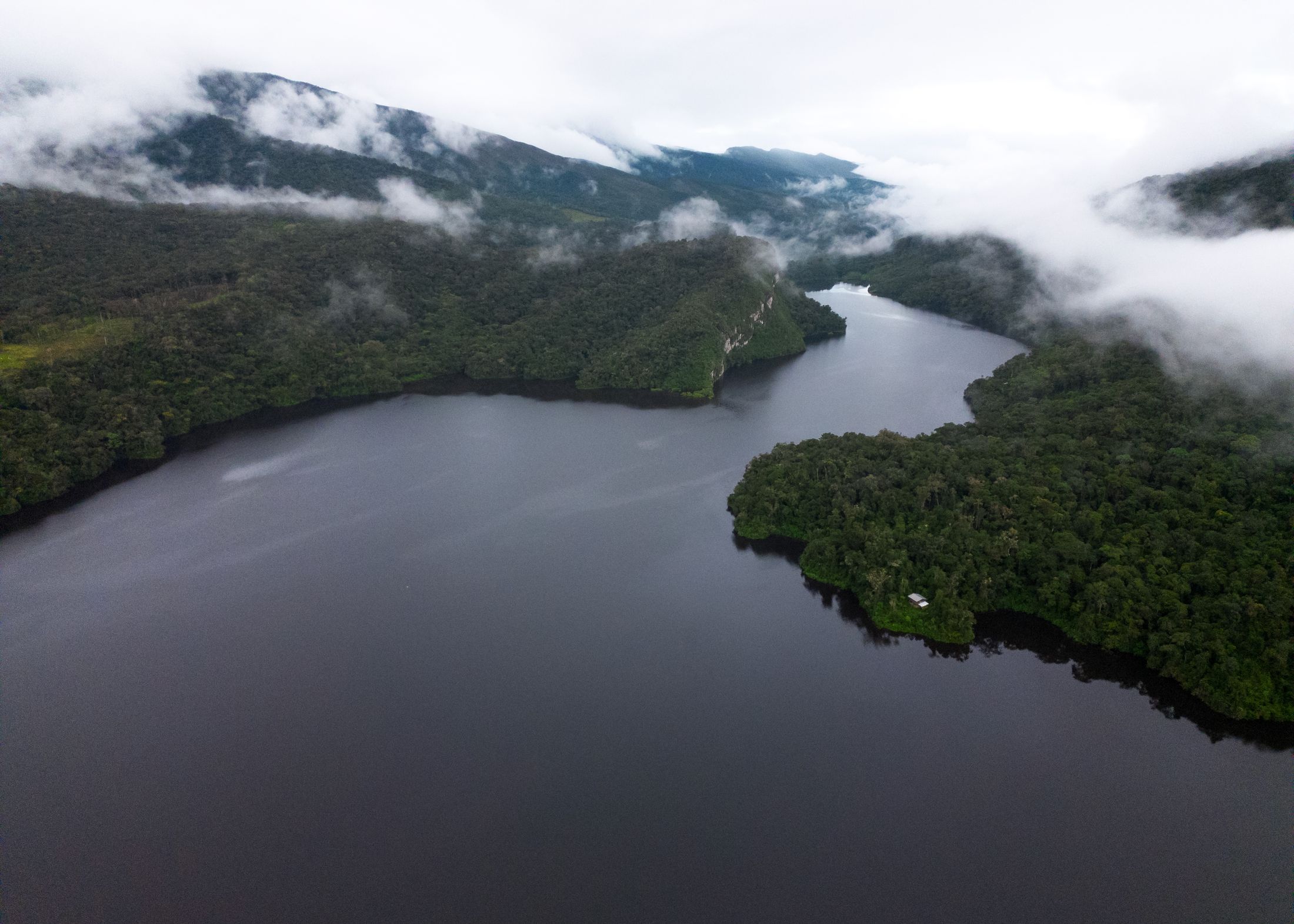
Aerial view over the Manu Biosphere Reserve in Cusco, Peru

Small-group birdwatching journeys

Wildly CuriousGo Far. Look Closer.

Thirty years in the field, worldwide. Expertly guided, and built for people ready to experience the world.

Thirty years in the fieldOne journey open now14 journeys
Scarlet Macaw Ara macao Nightingale Luscinia megarhynchos Shoebill Balaeniceps rex Waved Albatross Phoebastria irrorata Andean Cock-of-the-rock Rupicola peruvianus Long-tailed Ground-Roller Uratelornis chimaera Stewart Island Tokoeka Apteryx australis lawryi Red-crowned Crane Grus japonensis Ibisbill Ibidorhyncha struthersii Hoatzin Opisthocomus hoazin Griffon Vulture Gyps fulvus Bornean Bristlehead Pityriasis gymnocephala Great Bustard Otis tarda Southern Cassowary Casuarius casuarius

Curated signature journeys · 2028

Honduras opens our 2028 year.

Four hand-picked small-group journeys, expertly guided across four continents in a single carefully chosen year. Groups average eight guests; some journeys run up to ten, and others stay smaller depending on the destination, lodging and other practical factors. Emerald Trails leads the way through Honduras — we'd be thrilled to have you along. Tap any card to step into the tour.
See more upcoming tours →
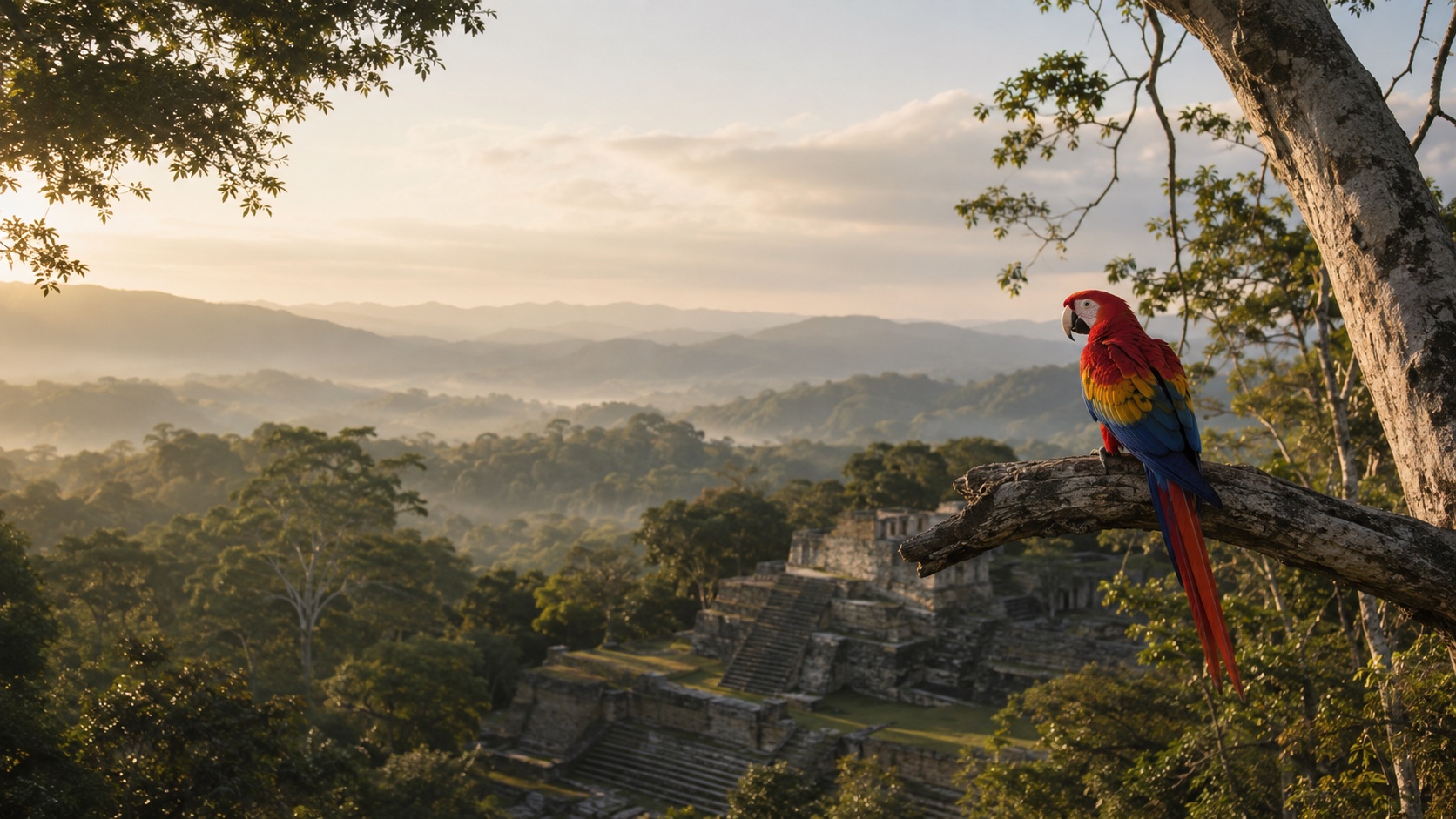
AI-generated illustration of a Scarlet Macaw overlooking Maya stone terraces and misty forested hills at dawn, inspired by Copán, Honduras
Honduras
Premiere · 2028

Emerald Trails

Birds, Maya Ruins & Rainforest Across Honduras

January – February 2028 · exact dates forthcomingWe'll contact you when registration opens
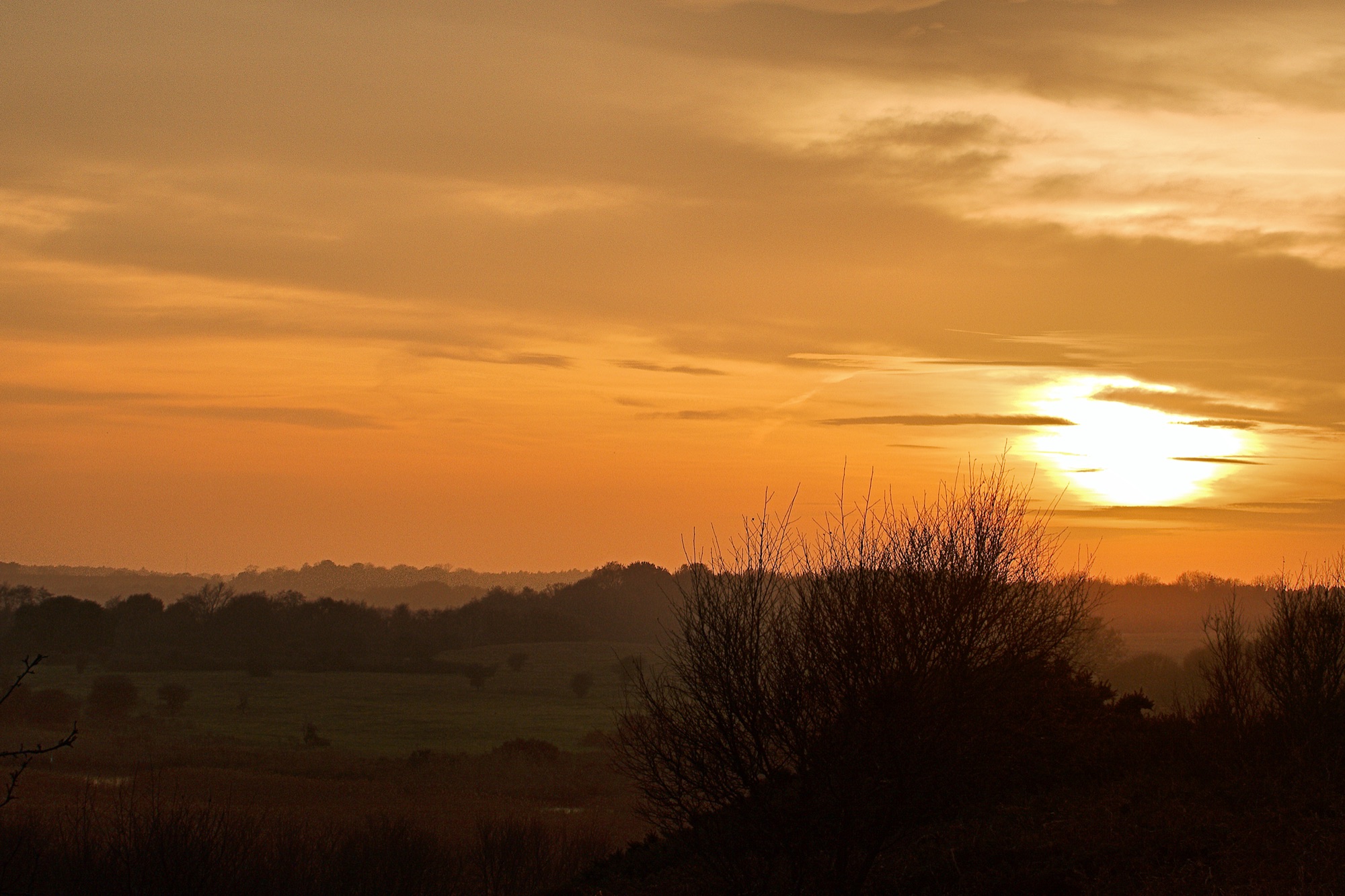
Sunset over the reedbeds and heath at RSPB Minsmere on the Suffolk coast, England
England
Opening soon

Marshes, Meres & Migrants: A Norfolk-Suffolk Birding Journey

The wetlands and coast of Norfolk and the ancient woods of Suffolk, in May at the very height of spring. Migrants pour in off the North Sea, Bitterns boom across the reedbeds, and on three separate mornings we stand within metres of a singing Nightingale.
May 2028 · exact dates forthcomingfrom $4,600
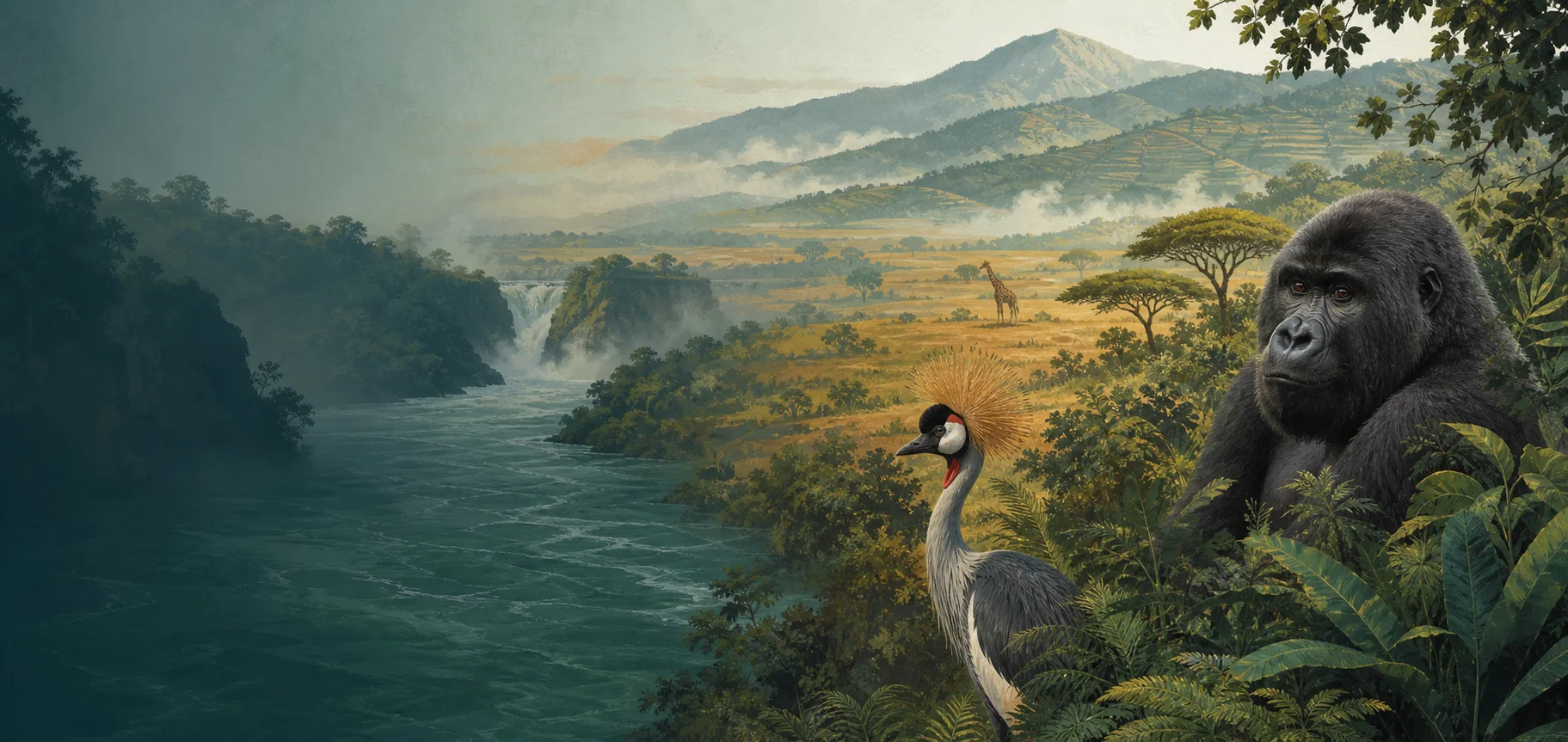
Illustrated panorama of Uganda with Murchison Falls, savannah, terraced mountains, a mountain gorilla and a grey crowned crane
Uganda

Uganda: Papyrus to the Mist

A seventeen-day circuit through Uganda's wild register: Shoebills standing in the papyrus of Lake Victoria, the Nile plunging white at Murchison Falls, turacos calling through Budongo and the Royal Mile, Kibale's chimpanzee forest, Queen Elizabeth's open savannahs, and the flowered ridges of the Albertine Rift where sunbirds and endemics work the misted edges of Bwindi. Over 500 species are in reach, with time among wild chimpanzees and a permitted hour with mountain gorillas woven into the birding.
22 June – 8 July 2028from $9,950
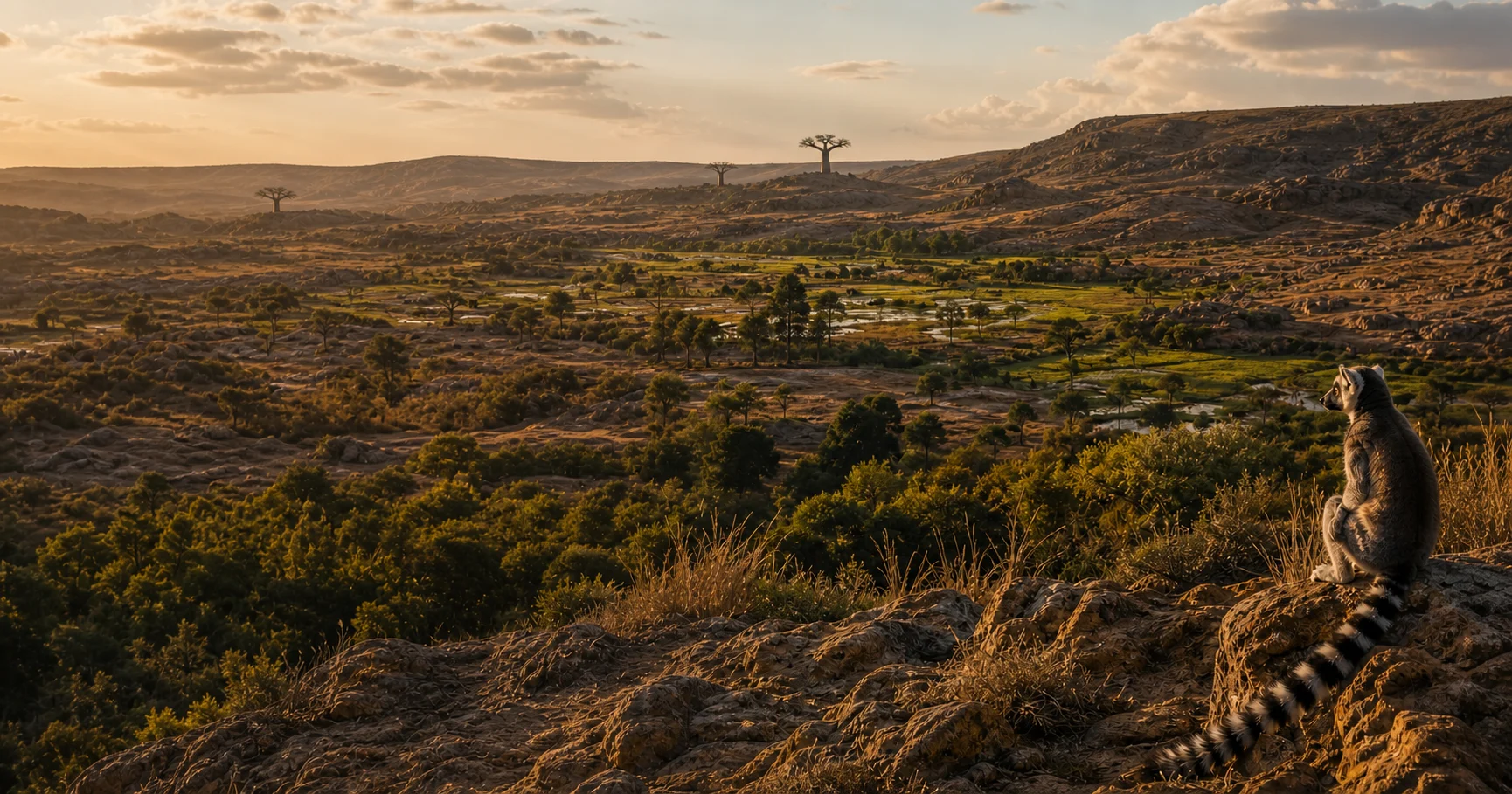
A Ring-tailed Lemur overlooking Madagascar's rocky baobab landscape at golden hour
Madagascar
Opening soon

Madagascar — Birds, Lemurs & Wild Landscapes

An 18-day cross-island immersion linking western dry forest, eastern rainforest, the Central Highlands, sandstone savanna, southwestern spiny forest and coastal wetlands.

October 2028 · exact dates forthcomingWe'll contact you when registration opens

More upcoming trips

See the full calendar

Browse every tentative departure, get your name down for the ones you are interested in, and we will contact you when details firm up.

see more upcoming tours

The Idea

The Ecotone Advantage. Ecotone: the transition zone where two habitats meet and blend — forest edge, marsh into upland, riverbank into woodland. Not quite one ecosystem or the other, but a rich overlap of both.

That overlap is why ecotones matter so much for birding. They pack more structure, more food, and more shelter into a small space than either habitat alone — so species from both sides show up, plus a few specialists that favor the edge itself.

For a tour, that means more species, better views, and more action in less time. Deep, uniform habitat still has its place — it's where the most specialized and secretive species live, and reaching them is its own kind of reward.

The joy of birds brings us closer — to wild places, and to the present moment.

Watching birds makes us better at paying attention and enjoying the little things — first light moving across a wetland, the person beside you who caught the call you missed, a meal that is a window into culture and local life. The sighting lasts seconds — what gathers around it is the journey.

How we stay

Conscious comfort, authentic conservation.

On every journey we choose accommodations that balance comfort, character, location, and conservation value. Each property earns its place because it contributes to the experience — chosen not for luxury's own sake, but because it deepens the wildlife experience and supports sustainable tourism where possible.

The pace is relaxed to moderate but purposeful — focused, determined, enthusiastic, balanced — so the days stay unhurried and the birding stays close.

Curiosity

Days built around curiosity and exploration — what is calling from the forest, what kind of butterfly is that, what is the name of this flower?

Company

You arrive ready for the journey. You leave with memories and friends.

The common & the rare

We work hard to get you on the bird — we want you to connect to what you are seeing.

Your guide

Thirty years of first light

Finding birds for people who care about getting the details right.

Every Ecotone journey is led personally, often alongside trusted local specialists.

read the full story

From the field

Birds in focus

See every journey →
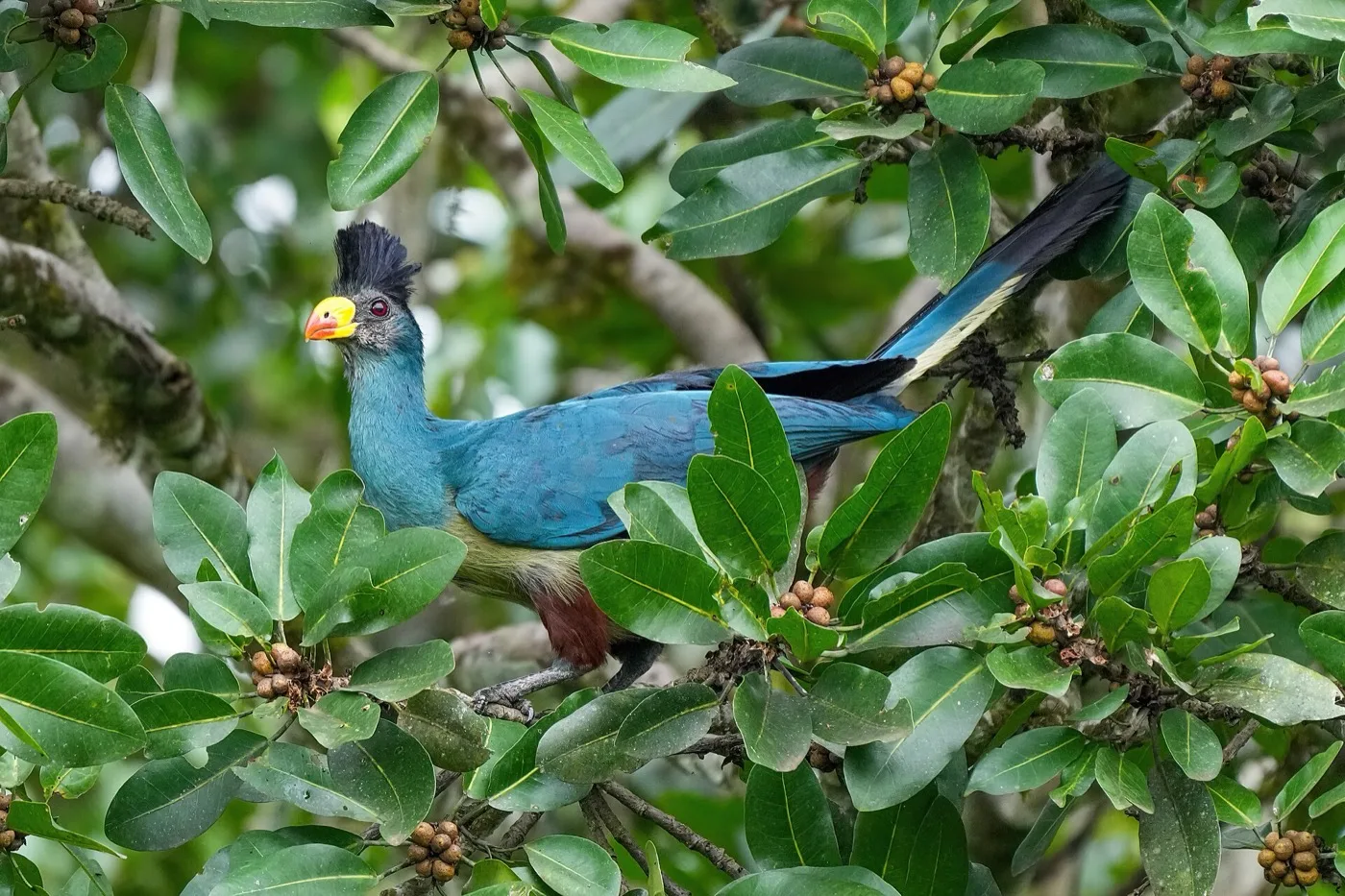
Great blue turaco perched in a leafy forest canopy
Great blue turaco · Corythaeola cristataPhoto: Giles Laurent · CC BY-SA 4.0
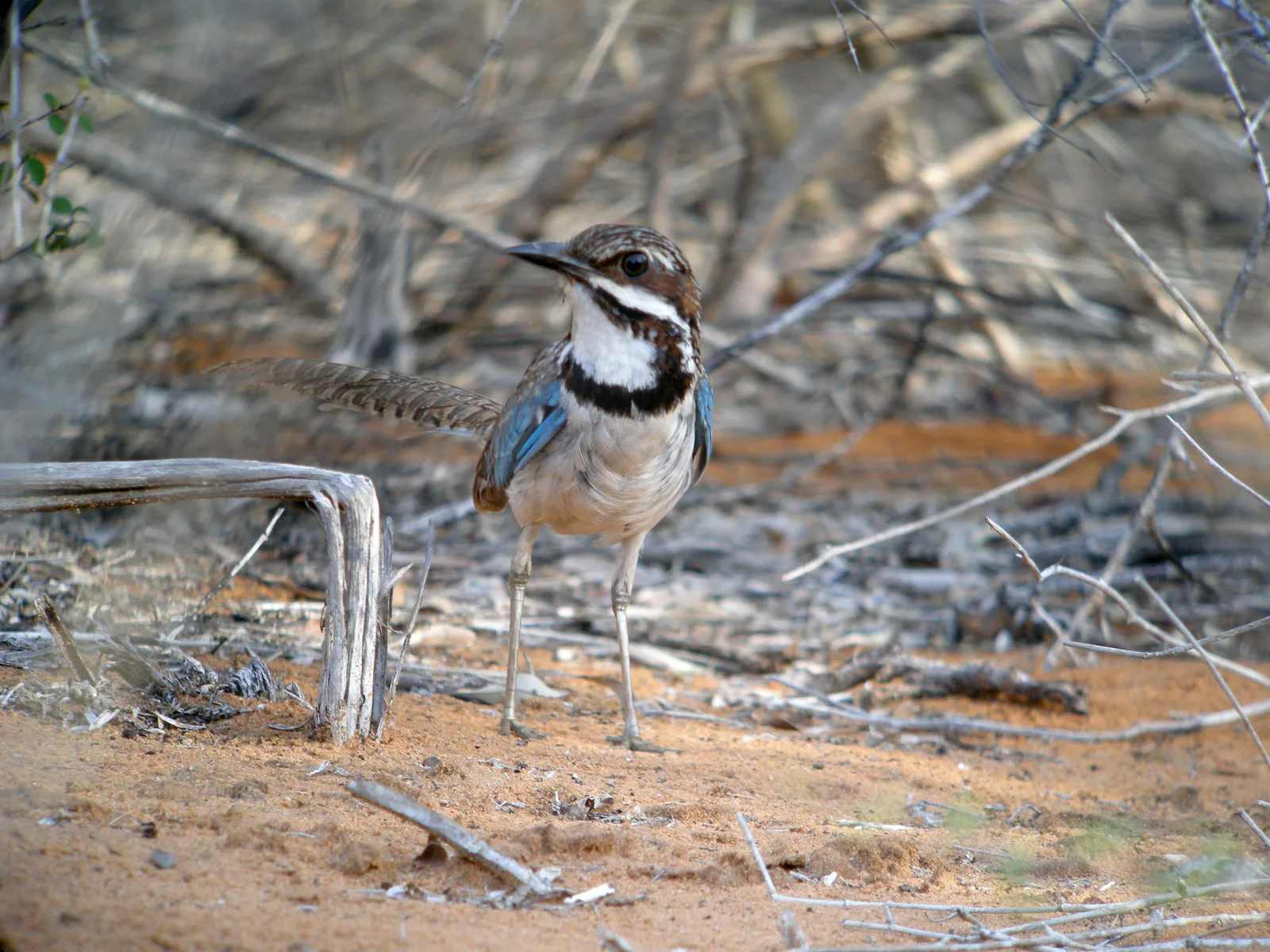
A Long-tailed Ground-Roller standing on the sandy floor of Madagascar's spiny forest
Long-tailed Ground-Roller · Uratelornis chimaeraPhoto: Frank Vassen · CC BY 2.0
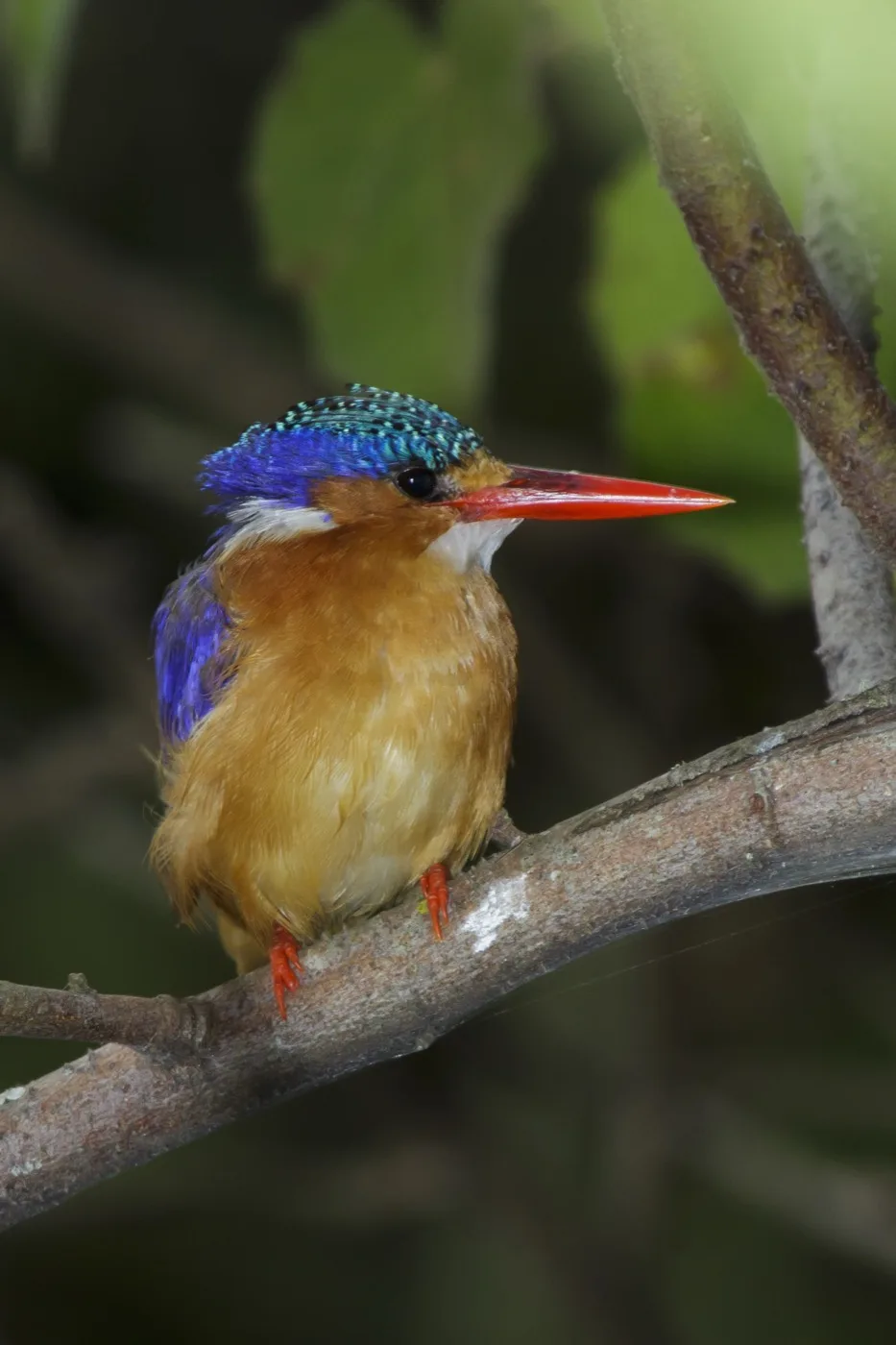
Malachite kingfisher perched near Lake Bunyonyi
Malachite kingfisher · Corythornis cristatusPhoto: Holger Uwe Schmitt · CC BY-SA 4.0

Beyond the journey

Nature doesn’t stop when the tour ends.

Spend time outdoors. Watch the birds in your own neighborhood. Plant native flowers. Support local conservation.

Share your experiences. Stay curious.

The journey continues wherever you choose to look closely.