Rolling Andean foothills at dusk in northern Argentina

Argentina & Chile

Argentina: Patagonia & Iberá Wetlands

18 October–2 November 2027 · dates are tentative until registration opens · we'll contact you when registration opens16 days / 15 nights + 5-day Iguazú extensionSmall group
register your interest
Andean Condor Vultur gryphusField recording · dawn

The Journey

This is Argentina in two great movements. We begin amid glacier-fed lakes, Patagonian steppe and southern beech forest, crossing briefly into Chile for Torres del Paine and the Strait of Magellan before reaching Tierra del Fuego. A flight north changes the scale completely: Buenos Aires, delta wetlands and finally the warm lagoons, floating islands and grasslands of Iberá.

The route · El Calafate → Perito Moreno Glacier → Torres del Paine → Punta Arenas → Tierra del Fuego → Ushuaia → Buenos Aires → Ceibas → Iberá Wetlands → Candelaria & Posadas

From icefields to floating islands, this itinerary is built around ecological contrast rather than a race through a checklist. Each region receives enough time for landscape, wildlife and local culture to make sense together.

The five-day Iguazú program is optional and begins in Candelaria, near Posadas, on 2 November. Guests completing the main tour transfer to Posadas Airport while extension guests continue north. It is presented separately below so the scope, dates and pace of the main journey remain completely clear.

Landscapes in focus
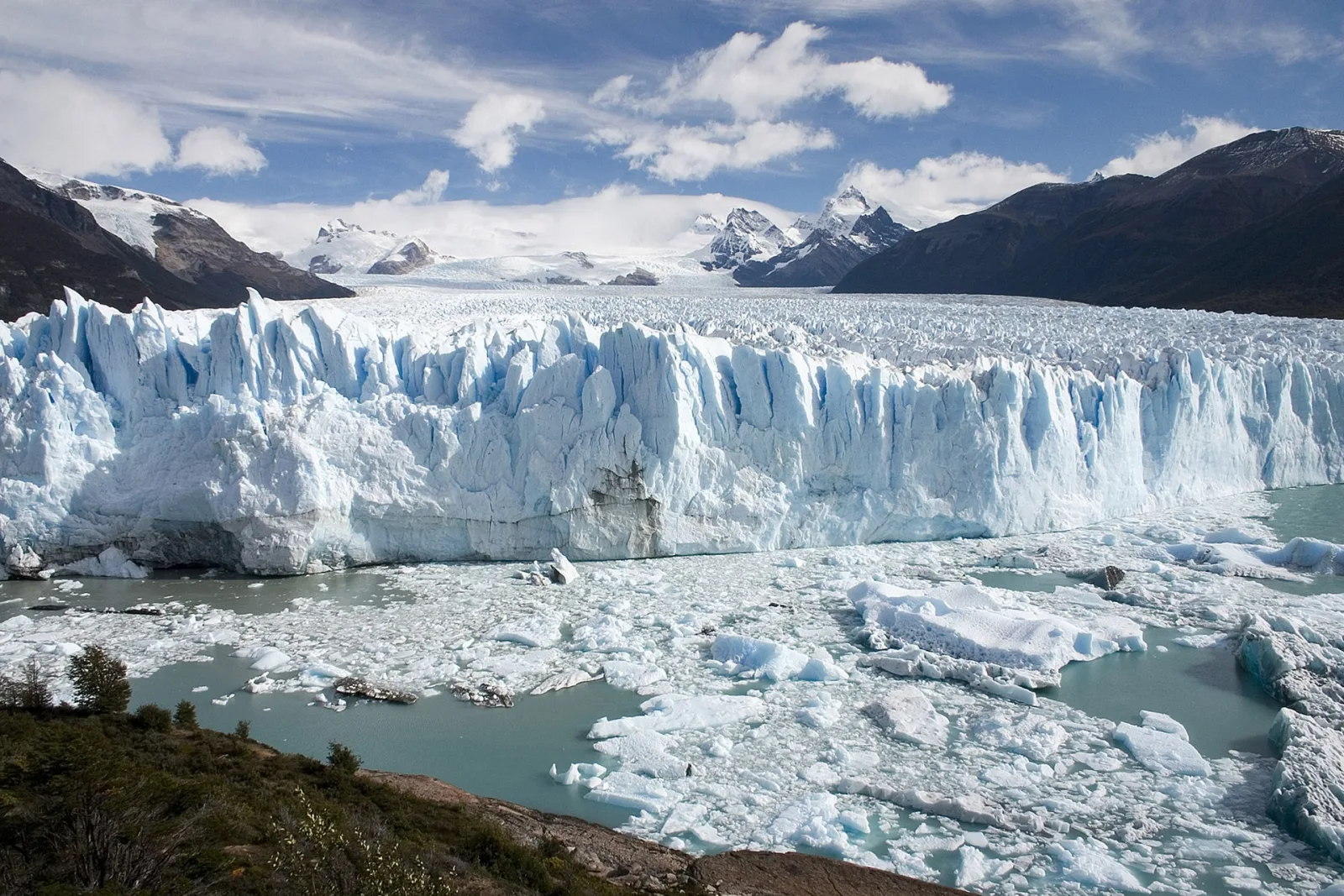
The blue ice wall of Perito Moreno Glacier above Lago Argentino
Perito Moreno Glacier, where ice, lenga forest and Andean ridges meet.Photo: Luca Galuzzi · CC BY-SA 2.5
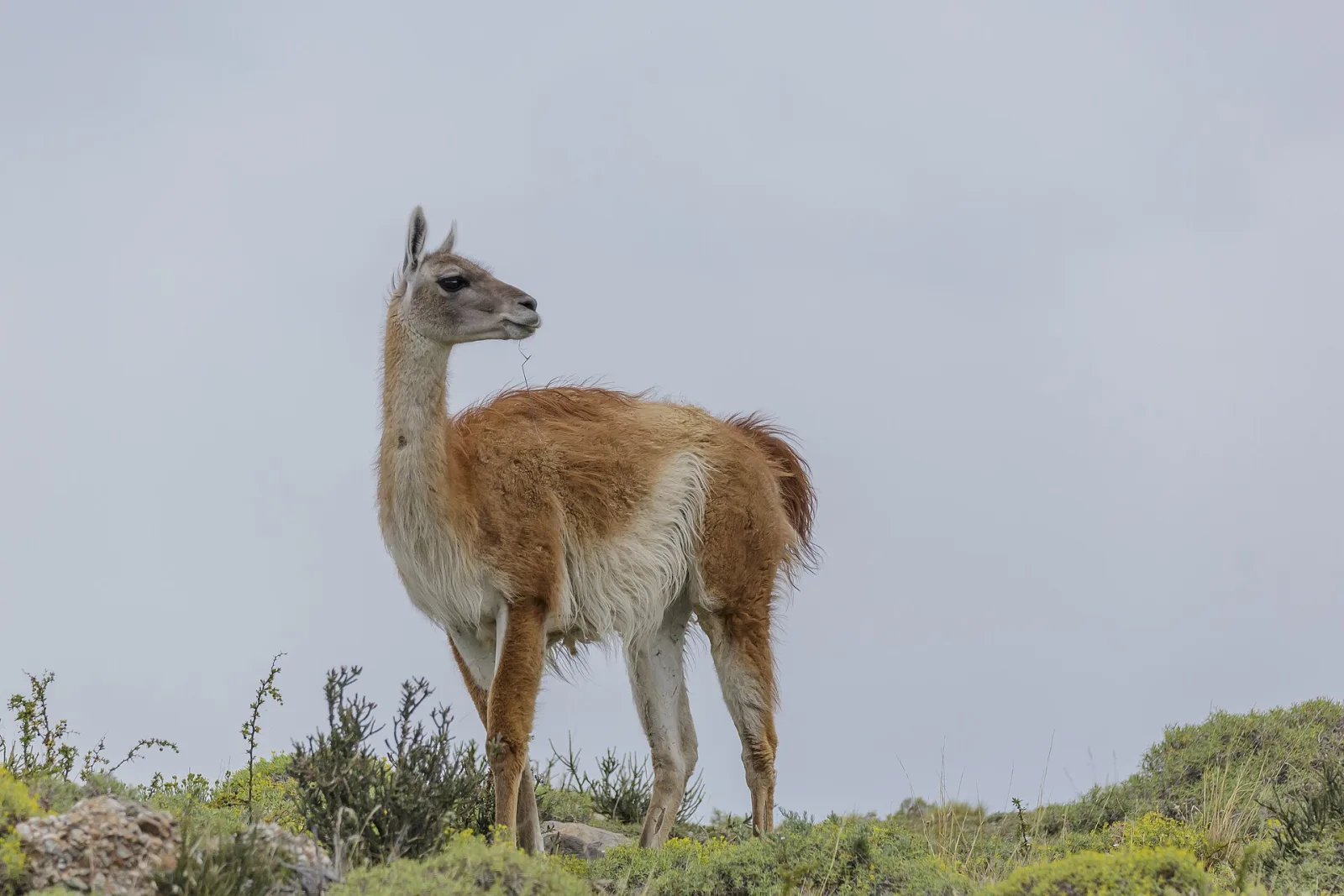
A single guanaco standing alert on the Patagonian steppe in Torres del Paine
A guanaco on the Patagonian steppe in Torres del Paine.Photo: Thomas Fuhrmann · CC BY-SA 4.0
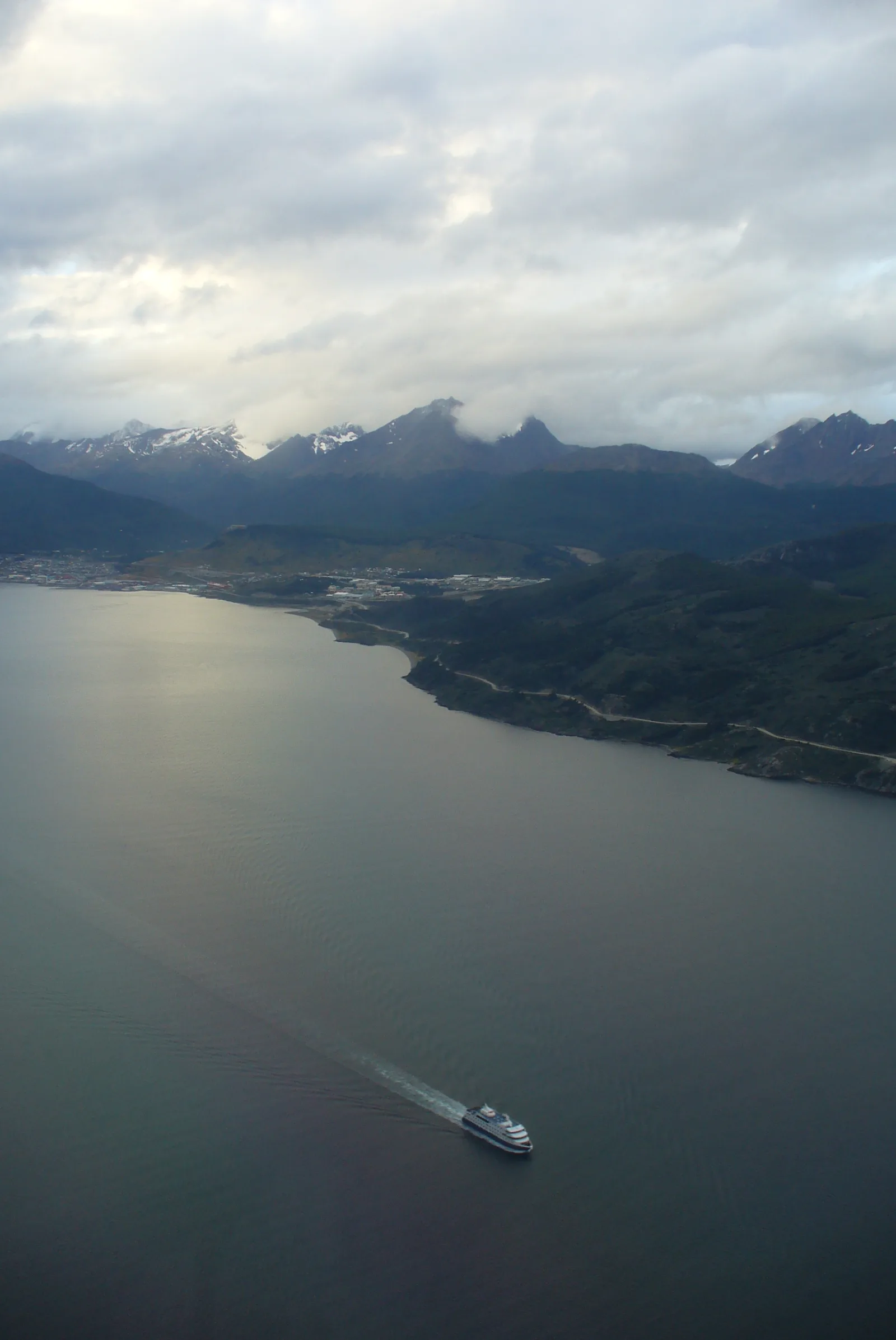
Aerial view across the Beagle Channel toward Ushuaia and the mountains
The Beagle Channel and Ushuaia at the southern edge of the Andes.Photo: Zuarin · CC BY 3.0
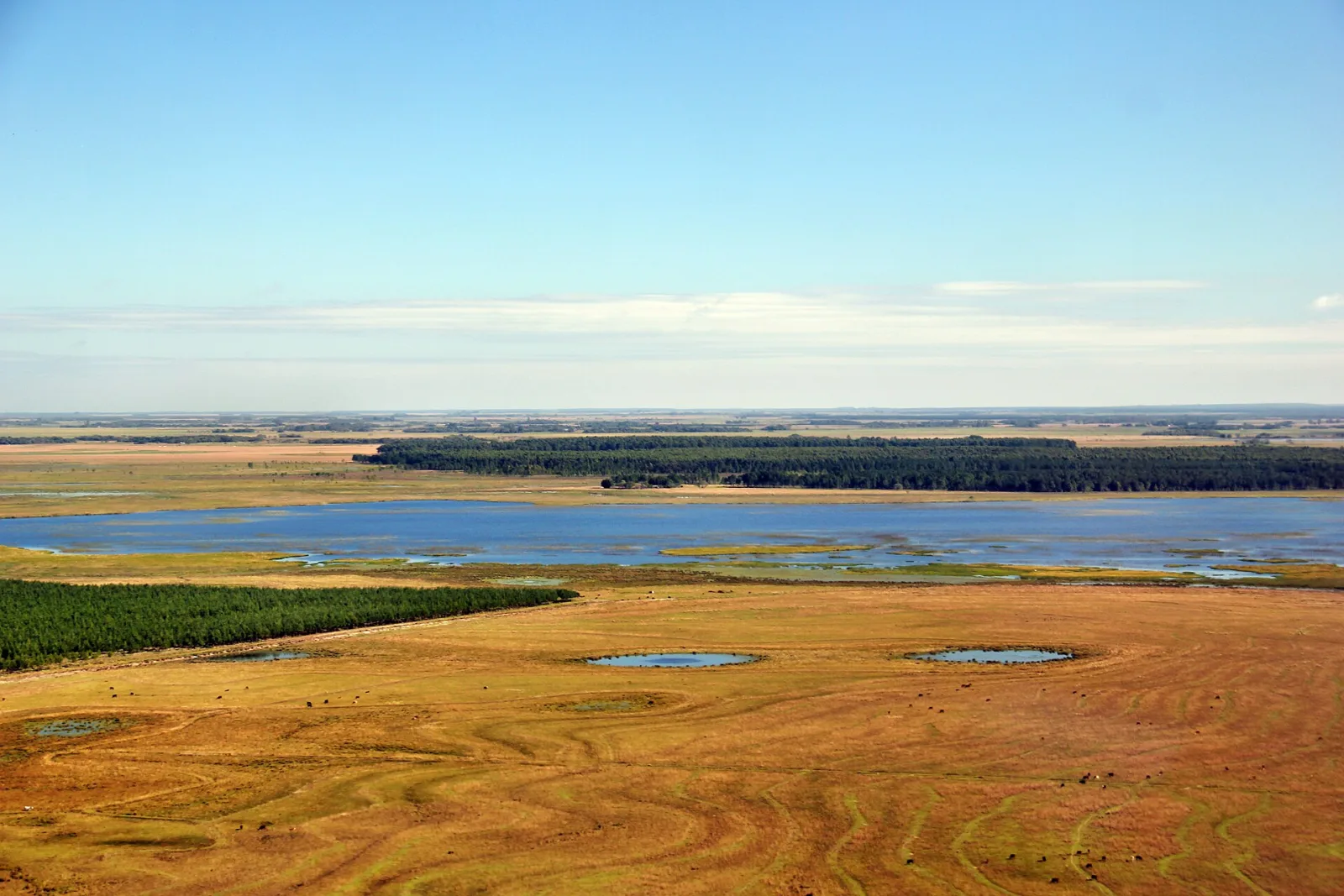
Aerial view of lagoons and open grasslands in the Iberá Wetlands
Iberá's freshwater lagoons, grasslands and floating vegetation.Photo: Carlos Bagliani · CC BY-SA 4.0

Route map

Main journey · 18 October–2 November

Argentina, Patagonia & Iberá

True borders · route schematic

CHILEARGENTINAPARAGUAYURUGUAY1El CalafateDays 1–22Perito Moreno GlacierDay 23Torres del PaineDays 3–4 · Chile4Punta ArenasDay 5 · Chile5PorvenirDay 6 · ferry arrival6Río GrandeDay 6 · Argentina7UshuaiaDays 7–98Buenos AiresDays 9–119CeibasDay 1110Iberá WetlandsDays 12–1511Candelaria / PosadasOvernight 1 Nov · airport 2 Nov
RoadFlightFerryInternational borderArgentine provinceBorder data: Natural Earth

The numbered route follows the journey south through Patagonia and Tierra del Fuego, then north by air to Buenos Aires, Ceibas, Iberá and Candelaria, outside Posadas. International and Argentine provincial borders are shown.

Day by Day

Weather figures are typical late-October and early-November planning ranges, not forecasts. Patagonia can change quickly; elevations are approximate for the day's principal birding area.

01
18 October

El Calafate wetlands & Patagonian steppe

Arrive independently in Buenos Aires and connect to El Calafate, where the journey begins. After settling in, we explore Laguna Nimez on the shore of Lago Argentino. Its shallows, reedbeds and mudflats can hold Chilean and Andean Flamingos, Black-necked and Coscoroba Swans, Silvery Grebe and a rich mix of ducks. We search exposed edges for Magellanic Plover and the grassland for Austral Negrito, Spectacled Tyrant and Correndera Pipit. Dinner introduces the estancia traditions and generous flavours of Patagonia.

STAY Hotel Kosten Aike, El Calafate
TARGETS Andean Flamingo · Magellanic Plover · Coscoroba Swan
Typical weatherTypical 3–14°C / 37–57°F; strong, changeable winds
ClimateCool, semi-arid Patagonian spring with long daylight and fast-moving fronts
AltitudeEl Calafate & Laguna Nimez · about 200 m / 660 ft
02
19 October

Lenga forest & Perito Moreno Glacier

Spend a full day in Los Glaciares National Park, where the immense Perito Moreno Glacier descends toward Lago Argentino. Around the walkways and lenga forest edges we look for Thorn-tailed Rayadito, Fire-eyed Diucon, White-crested Elaenia, Austral Thrush and Rufous-tailed Plantcutter. Open slopes may add Patagonian Sierra-Finch and Black-chinned Siskin, while Andean Condor and Black-chested Buzzard-Eagle use the mountain air above. Guanaco and South American Gray Fox are possible on the steppe during the drive.

STAY Hotel Kosten Aike, El Calafate
TARGETS Andean Condor · Thorn-tailed Rayadito · Rufous-tailed Plantcutter
Typical weatherTypical 2–13°C / 36–55°F; colder beside the ice, with wind or showers possible
ClimateCool Andean spring; glacier influence can make conditions feel markedly colder
AltitudeGlacier walkways · roughly 200–300 m / 660–985 ft
03
20 October

Across the Andes to Torres del Paine

Cross the international border into Chile, travelling through Cerro Castillo toward Río Serrano and Torres del Paine. Steppe gives way to southern beech forest and a new suite of birds: Austral Parakeet, Chucao Tapaculo, White-throated Treerunner, Austral Pygmy-Owl and, with luck, Magellanic Woodpecker. The day ends beneath granite towers, turquoise lakes and glaciated valleys. Border formalities and road conditions shape the pace, so birding stops remain flexible.

STAY Hotel del Paine, Río Serrano
NOTE Passport required · international road border
TARGETS Magellanic Woodpecker · Chucao Tapaculo · Austral Parakeet
Typical weatherTypical 2–13°C / 36–55°F; four seasons in a day are possible
ClimateWindy Patagonian transition from dry steppe to wetter Andean forest
AltitudeRoute and Río Serrano · about 50–500 m / 165–1,640 ft
04
21 October

Torres del Paine National Park

Explore the park's steppe, shrubland, lakeshores and lenga woodland at a wildlife-watcher's pace. Andean Condors patrol the cliffs, Southern Caracaras and Black-chested Buzzard-Eagles quarter open country, and Lesser Rheas move through the grasslands. We also watch for Austral Shrike-Tyrant, Cinnamon Warbling Finch and Patagonian Sierra-Finch. Guanaco herds are a constant presence and offer context for the park's elusive pumas, although sightings of this wide-ranging predator can never be promised.

STAY Hotel del Paine, Río Serrano
TARGETS Andean Condor · Lesser Rhea · Austral Shrike-Tyrant · Guanaco
Typical weatherTypical 2–13°C / 36–55°F; exposed areas can be very windy
ClimateCool, ocean-influenced Patagonian spring with rapid shifts in cloud and temperature
AltitudeExploration generally 50–300 m / 165–985 ft
05
22 October

Patagonian steppe to Punta Arenas

Travel south across ranch country toward Punta Arenas, pausing wherever the wind, light and birds invite us to linger. Condors sometimes gather along escarpments; Rufous-headed Ground-Tyrant, Long-tailed Meadowlark and Austral Shrike-Tyrant occupy the steppe. Near the Strait of Magellan the cast changes to Magellanic Oystercatcher, Chilean Skua, Kelp Gull and passing seabirds. Punta Arenas adds a maritime history shaped by Indigenous peoples, European immigration and the shipping passage that once linked the world's oceans.

STAY Hotel Almasur, Punta Arenas
TARGETS Andean Condor · Rufous-headed Ground-Tyrant · Magellanic Oystercatcher
Typical weatherTypical 3–12°C / 37–54°F; frequent wind, with brief rain possible
ClimateCool maritime steppe climate moderated by the Strait of Magellan
AltitudePunta Arenas · about 35 m / 115 ft; route mostly below 300 m / 985 ft
06
23 October

Strait of Magellan & King Penguins

Ferry across the Strait of Magellan, scanning for Southern Giant Petrel, Black-browed Albatross, Southern Fulmar, Imperial Shag and dolphins. On Chilean Tierra del Fuego we visit the King Penguin reserve near Bahía Inútil, where these tall oceanic birds gather beside the windswept steppe. Coastal lagoons may add Magellanic Penguin, Fuegian Steamer-Duck and Kelp Goose. We then continue across the Argentine border to Río Grande for the night.

STAY Grande Hotel, Río Grande
NOTE Ferry and international land border · wildlife viewing is weather-dependent
TARGETS King Penguin · Black-browed Albatross · Fuegian Steamer-Duck
Typical weatherTypical 3–12°C / 37–54°F; wind chill can make the ferry crossing feel colder
ClimateCool, exposed maritime steppe with persistent westerly winds
AltitudeStrait and penguin reserve · sea level; Río Grande about 20 m / 65 ft
07
24 October

Ushuaia & the Beagle Channel

Drive through Tierra del Fuego to Ushuaia, where the Andes meet the Beagle Channel. A boat excursion visits rocky islands used by Imperial and Rock Shags, South American Terns, Dolphin Gulls and sea lions. Magellanic and Gentoo Penguins may be present at accessible colonies, while Southern Fulmar and other pelagic birds are possible in suitable conditions. Back ashore, Ushuaia's Yámana heritage, former penal colony and Antarctic gateway give the day an unusually layered human story.

STAY Hotel Tolkeyen, Ushuaia
NOTE Boat route depends on wind and sea conditions
TARGETS Imperial Shag · Rock Shag · Magellanic Penguin · South American Sea Lion
Typical weatherTypical 3–12°C / 37–54°F; cool breeze and showers possible on the channel
ClimateSubpolar oceanic spring with modest temperature swings and highly changeable skies
AltitudeBeagle Channel · sea level; Ushuaia about 25 m / 80 ft
08
25 October

Tierra del Fuego National Park

Explore subantarctic southern beech forest, peat bogs, rivers and sheltered coast inside Tierra del Fuego National Park. White-throated Treerunner, Fire-eyed Diucon, Austral Thrush, Green-backed Firecrown and Austral Parakeet are characteristic, while mature forest offers another chance for Magellanic Woodpecker and Austral Pygmy-Owl. Along the shore we look for Fuegian Steamer-Duck and overhead condors. Beaver dams also reveal the ecological consequences of one of the island's most influential introduced mammals.

STAY Hotel Tolkeyen, Ushuaia
TARGETS Magellanic Woodpecker · Green-backed Firecrown · Austral Pygmy-Owl
Typical weatherTypical 2–11°C / 36–52°F; showers, low cloud and bright intervals may alternate
ClimateCool, moist subantarctic forest climate
AltitudeCoast to forest trails · roughly 0–250 m / 0–820 ft
09
26 October

Fly north to Buenos Aires

Leave Tierra del Fuego and fly north to Buenos Aires. The change is dramatic: cool subantarctic forest gives way to a warm, broad river plain and one of Latin America's great cities. After the transfer, the afternoon is deliberately relaxed, with time to reset before dinner and an orientation to the wetland phase of the journey.

STAY EFE Hotel, Buenos Aires
NOTE Domestic flight · schedule to be confirmed
Typical weatherBuenos Aires typically 14–23°C / 57–73°F; much warmer than Ushuaia
ClimateHumid subtropical spring with mild nights and occasional rain or thunderstorms
AltitudeBuenos Aires · about 25 m / 80 ft
10
27 October

Costanera Sur & Buenos Aires culture

Begin at Reserva Ecológica Costanera Sur, an urban wetland beside the Río de la Plata. Lagoons, reeds, scrub and woodland can hold Rosy-billed Pochard, White-faced Ibis, Wattled Jacana, Black-necked Stilt, Rufous Hornero, Guira Cuckoo and Monk Parakeet. In the afternoon a local guide introduces the city's history and neighbourhoods; the exact route may include Plaza de Mayo, La Boca, Puerto Madero or Recoleta. Nature and culture share equal weight today.

STAY EFE Hotel, Buenos Aires
TARGETS Rufous Hornero · Rosy-billed Pochard · Guira Cuckoo · urban wetland birds
Typical weatherTypical 14–23°C / 57–73°F; sunshine, showers or a warm afternoon are all possible
ClimateHumid subtropical spring beside the Río de la Plata
AltitudeCity and reserve · near sea level, about 5–25 m / 15–80 ft
11
28 October

Paraná Delta wetlands & Ceibas

Leave the city for the marshes, lagoons, flooded pastures and riparian woodland around Ceibas. Ringed, Amazon and Green Kingfishers use the channels, while Southern Screamer, Limpkin, Purple Gallinule, Snail Kite and Savanna Hawk occupy the wider wetland. Pastures and hedgerows add Fork-tailed Flycatcher, Vermilion Flycatcher and woodcreepers. By afternoon we reach Estancia La Titina, where capybaras, coypu and an evening chorus of marsh birds establish the quieter rhythm of rural Entre Ríos.

STAY Estancia La Titina, Ceibas
TARGETS Southern Screamer · Snail Kite · Amazon Kingfisher · capybara
Typical weatherTypical 14–25°C / 57–77°F; warm sun with a chance of showers
ClimateHumid lowland spring shaped by the Paraná and Uruguay river systems
AltitudeCeibas wetlands · roughly 5–15 m / 15–50 ft
12
29 October

North to the Iberá Wetlands

Travel deeper into northeastern Argentina toward Colonia Carlos Pellegrini and the Iberá Wetlands. It is a substantial road day, but the transition from delta country to Corrientes grasslands, palm savanna and immense freshwater marsh is part of the story. Birding stops are chosen according to water levels and activity, with rheas, seriemas, marsh raptors and roadside wetlands all possible before we settle into the lodge for three nights.

STAY Aguapé Lodge, Colonia Carlos Pellegrini
NOTE Long road transfer with birding stops
TARGETS Greater Rhea · Red-legged Seriema · wetland raptors
Typical weatherTypical 17–29°C / 63–84°F; humid, with afternoon showers possible
ClimateWarm subtropical spring; heat and humidity increase markedly from Patagonia
AltitudeIberá gateway · about 65–75 m / 215–245 ft
13
30 October

Iberá by boat

Explore the quiet channels and floating islands of Iberá by boat. Jabiru, Wood Stork, Roseate Spoonbill, Anhinga and Southern Screamer share the water with caiman and grazing capybaras. Reedbeds can reveal Scarlet-headed Blackbird, Yellow-rumped Marshbird and Long-tailed Reed-Finch; Snail Kite and Black-collared Hawk patrol overhead. Marsh Deer often move through the tall vegetation, one of the great mammal encounters of this restored wetland landscape.

STAY Aguapé Lodge, Colonia Carlos Pellegrini
TARGETS Jabiru · Scarlet-headed Blackbird · Marsh Deer · caiman
Typical weatherTypical 18–29°C / 64–84°F; warm, humid and brighter on open water
ClimateSubtropical freshwater wetland with strong sun and locally heavy showers
AltitudeLaguna Iberá · about 65–70 m / 215–230 ft
14
31 October

Iberá grasslands, rewilding & night wildlife

Turn to the grasslands, palm savannas and gallery forest surrounding Colonia Carlos Pellegrini. We search for Strange-tailed Tyrant, Saffron-cowled Blackbird, Greater Rhea, Burrowing Owl and Red-legged Seriema, with seasonal seedeaters possible where habitat is right. Reintroduced Blue-and-yellow Macaws embody Iberá's ambitious rewilding work; giant anteater, pampas deer and black-and-gold howler monkey are further possibilities. If conditions suit, an evening outing looks for potoos, nightjars, owls and nocturnal mammals.

STAY Aguapé Lodge, Colonia Carlos Pellegrini
NOTE Optional spotlighting subject to conditions
TARGETS Strange-tailed Tyrant · Saffron-cowled Blackbird · Blue-and-yellow Macaw
Typical weatherTypical 18–30°C / 64–86°F; hot sun and a chance of a late storm
ClimateWarm, humid subtropical savanna and wetland mosaic
AltitudeGrasslands around Colonia Carlos Pellegrini · about 70 m / 230 ft
15
1 November

Iberá grasslands, Puesto Yohaza & Candelaria

Today is a long transfer of approximately 350 miles / 560 kilometres and more than seven hours of non-stop driving, but the road remains part of the birding. The first two hours retrace productive Iberá grasslands, always worth another look for seedeaters and other open-country birds. We then continue on paved roads to Puesto Yohaza, where carefully protected habitat offers a chance of the rare, breeding Saffron-cowled Blackbird. After lunch and a welcome rest, the final drive brings us to Candelaria, just outside Posadas. A shorter route exists, but its rough dirt roads can be difficult in dry weather and impassable after rain, so the paved route is the reliable choice.

STAY Las Violetas, Candelaria
TARGETS Saffron-cowled Blackbird · seedeaters · grassland birds
Typical weatherTypical 18–29°C / 64–84°F; warm and humid, with showers possible
ClimateHumid subtropical spring beside the Paraná River
AltitudeCandelaria · about 100 m / 330 ft

Optional extension · begins in Candelaria, near Posadas

Iguazú Falls & Atlantic Forest Extension

2–6 November 20275 days / 4 nights

A clearly separate optional extension beginning near Posadas on 2 November. Grassland birding leads north to Eldorado, Urugua-í Reserve and an immersive Atlantic Forest stay at San Sebastián de la Selva before Iguazú Falls, Ruta 101 and a final night near Puerto Iguazú.

The extension route · Candelaria → Eldorado → Urugua-í Reserve → San Sebastián de la Selva → Iguazú Falls → Ruta 101 / Puerto Iguazú → Iguazú Airport
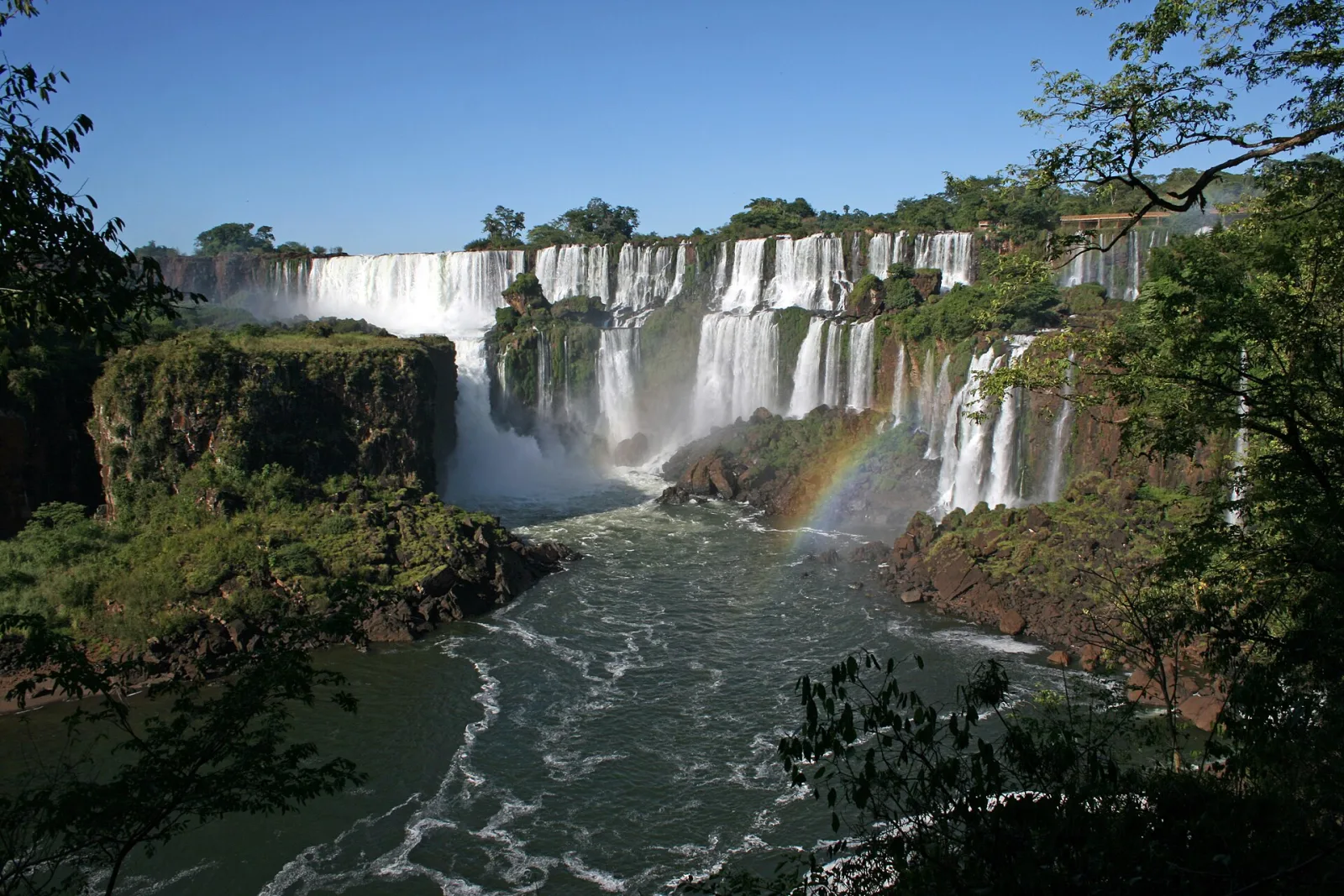
Broad cascades of Iguazú Falls framed by Atlantic Forest
Iguazú Falls, surrounded by one of South America's richest forests.Photo: Tom Friedel · CC BY 3.0

Optional extension · 2–6 November

Candelaria to Iguazú

True borders · route schematic

PARAGUAYARGENTINABRAZIL1CandelariaExtension begins · 2 Nov2EldoradoOvernight · 2 Nov3Urugua-í ReserveMorning · 3 Nov4San Sebastián de la Selva2-night forest stay5Iguazú FallsMorning · 5 Nov6Ruta 101 / Puerto IguazúBirding & overnight7Iguazú AirportExtension ends · 6 Nov
RoadFlightFerryInternational borderArgentine provinceBorder data: Natural Earth

This separate five-day route moves north through Misiones, with overnights in Eldorado, San Sebastián de la Selva and Puerto Iguazú before the airport transfer.

Extension day by day

These are typical early-November planning conditions, not forecasts. Heat, humidity and rainfall vary from day to day in the Atlantic Forest.

16
2 November

Posadas departures, local birding & Eldorado

Guests finishing the main journey transfer to Posadas Airport. Extension guests begin with nearby grassland birding for Streamer-tailed and Sharp-tailed Tyrants, Wedge-tailed and Lesser Grass-Finches, then seek forest birds such as Spot-backed Antshrike and Black-billed Scythebill. We continue north through Misiones Province for the overnight in Eldorado.

STAY Hotel Cabañas Complejo Ysyry, Eldorado
NOTE Main-tour airport transfer and extension departure take place on the same day
TARGETS Streamer-tailed Tyrant · Sharp-tailed Tyrant · Spot-backed Antshrike
Typical weatherTypical 18–29°C / 64–84°F; humid, with showers or thunderstorms possible
ClimateWarm subtropical grassland transitioning into the wetter Atlantic Forest
AltitudeCandelaria to Eldorado · roughly 100–220 m / 330–720 ft
17
3 November

Urugua-í Reserve & San Sebastián de la Selva

Eldorado puts us within reach of an early arrival at Urugua-í Reserve, one of the region's finest sites for Black-fronted Piping-Guan and specialties such as Planalto Tapaculo. After the morning's birding, we continue to San Sebastián de la Selva, a dedicated birding lodge set in excellent forest, with trails and a team accustomed to early breakfasts and field-friendly meals.

STAY San Sebastián de la Selva
TARGETS Black-fronted Piping-Guan · Planalto Tapaculo · Atlantic Forest mixed flocks
Typical weatherTypical 18–29°C / 64–84°F; humid, with showers possible beneath the canopy
ClimateMoist subtropical Atlantic Forest with frequent spring rainfall
AltitudeUrugua-í and San Sebastián forests · roughly 250–450 m / 820–1,475 ft
18
4 November

San Sebastián de la Selva

Enjoy an unhurried full day on the lodge's forest trails, giving mixed flocks, fruiting trees and quiet understory birds the time they deserve. The relaxed pace also allows a midday break during the warmest hours. If weather and energy permit, we can return after dark for owling and other nocturnal wildlife.

STAY San Sebastián de la Selva
NOTE Possible owling after dinner, subject to conditions
TARGETS Atlantic Forest mixed flocks · toucans · owls
Typical weatherTypical 18–30°C / 64–86°F; warm, humid and shaded beneath the canopy
ClimateMoist subtropical forest with year-round rainfall
AltitudeSan Sebastián de la Selva · about 350 m / 1,150 ft
19
5 November

Iguazú Falls, Ruta 101 & Hummingbird Garden

Depart early for Iguazú National Park, spending the morning and lunch beside the Argentine falls and on the surrounding forest trails. Great Dusky Swifts sweep through the spray while toucans, aracaris and mixed flocks animate the canopy. After an early-afternoon hotel check-in and a break, we finish with birding along Route 101 and at the Hummingbird Garden.

STAY Selva de Laurel Hotel, Puerto Iguazú
TARGETS Great Dusky Swift · toucans · hummingbirds
Typical weatherTypical 18–30°C / 64–86°F; humid, with the possibility of an afternoon storm
ClimateRainy subtropical forest with intense spray beside the falls
AltitudeIguazú Falls and Puerto Iguazú · roughly 150–250 m / 490–820 ft
20
6 November

Iguazú Airport transfer

Transfer to Iguazú Airport for onward flights, bringing the optional Atlantic Forest extension to a close. Departure timing will follow the confirmed flight schedule.

STAY Onward travel
NOTE Airport transfer · flight schedule to be confirmed
TARGETS Departure day
Typical weatherTypical 18–30°C / 64–86°F; warm and humid from early morning
ClimateMoist subtropical forest climate
AltitudePuerto Iguazú and airport · about 180–280 m / 590–920 ft

Target Species

Andean Condor
Vultur gryphus
Magellanic Woodpecker
Campephilus magellanicus
King Penguin
Aptenodytes patagonicus
Magellanic Plover
Pluvianellus socialis
Strange-tailed Tyrant
Alectrurus risora
Saffron-cowled Blackbird
Xanthopsar flavus
Jabiru
Jabiru mycteria
Blue-and-yellow Macaw
Ara ararauna
Great Dusky Swift
Cypseloides senex

Where We Stay

2 nights
Hotel Kosten Aike
Elegant

El Calafate base for Laguna Nimez and Los Glaciares National Park.

Official lodge site
2 nights
Hotel del Paine
Comfortable

Río Serrano base for Torres del Paine and its surrounding habitats.

Official lodge site
1 night
Hotel Almasur
Characterful

Punta Arenas base beside the Strait of Magellan.

Official lodge site
1 night
Grande Hotel
Modern

Río Grande overnight after the ferry and King Penguin visit.

Official lodge site
2 nights
Hotel Tolkeyen
Scenic

Ushuaia base for the Beagle Channel and Tierra del Fuego National Park.

Official lodge site
2 nights
EFE Hotel
Stylish

Buenos Aires base for Costanera Sur and the city tour.

Official lodge site
1 night
Estancia La Titina
Rustic

A rural wetland stay near Ceibas.

Official lodge site
3 nights
Aguapé Lodge
Comfortable

A comfortable Iberá base in Colonia Carlos Pellegrini.

Official lodge site
1 night
Las Violetas
Simple

A spacious, simple Candelaria overnight outside Posadas.

Official lodge site

Optional extension

Iguazú Falls & Atlantic Forest stays

1 night
Hotel Cabañas Complejo Ysyry
Relaxed

Optional extension overnight in Eldorado.

Official lodge site
2 nights
San Sebastián de la Selva
Immersive

Optional extension birding lodge with Atlantic Forest trails and field-friendly meals.

Official lodge site
1 night
Selva de Laurel Hotel
Elegant

Optional extension finale near Puerto Iguazú and Iguazú National Park.

Official lodge site

Registration

This journey isn't open for registration yet. The full itinerary is set out above; final pricing opens soon. Register your interest below and we'll contact you personally the moment it opens.

register your interest

This journey isn't open for registration yet. Register your interest and we'll contact you personally if a place or a new departure becomes available.